
Essential Features for Healthy Eating Over 50
Discover the key nutritional strategies and lifestyle practices designed specifically for women navigating health and wellness in their mature years
The information on this site is for educational purposes only and does not constitute medical advice. Always consult a qualified healthcare professional before making health decisions.
Key Features of Our Nutritional Approach
Plant-Forward Eating
Emphasize whole grains, legumes, nuts, and colorful vegetables to support bone health, heart function, and sustained energy throughout your day.
Hydration Strategy
Proper water intake becomes increasingly important for skin elasticity, joint lubrication, and cognitive function as we age gracefully.
Heart-Healthy Nutrition
Incorporate omega-3 fatty acids, lean proteins, and low-sodium options to support cardiovascular wellness and maintain healthy cholesterol levels.
Bone-Strengthening Foods
Focus on calcium, vitamin D, and magnesium-rich foods to support skeletal integrity and maintain strength during active years.
Why Nutrition Transforms After 50
Your body's nutritional needs shift significantly in your mature years. Metabolism naturally slows, muscle mass requires different protein ratios, and micronutrient absorption changes. This is not about restriction—it's about strategic, delicious eating that honors your body's evolving wisdom.
Women over 50 benefit tremendously from understanding how specific foods support energy, mental clarity, joint mobility, and overall vitality. Our approach combines scientific insight with practical, enjoyable meal strategies you can sustain for life.
- Protein Distribution: Spread protein intake across meals to support muscle maintenance and recovery
- Nutrient Density: Every calorie counts—focus on foods rich in vitamins and minerals, not empty calories
- Digestive Ease: Choose foods that support gut health and comfortable digestion throughout the day
- Meal Timing: Strategic timing of larger and smaller meals helps maintain steady energy and prevents overeating

Six Essential Nutrients for Women Over 50
Calcium
Essential for bone density maintenance. Found in yogurt, leafy greens, fortified plant milks, sardines, and sesame seeds. Most women need 1,200 mg daily after age 50.
Pro tip: Pair calcium-rich foods with vitamin C for better absorption.
Vitamin D
Supports calcium absorption and immune function. Sources include fatty fish (salmon, mackerel), egg yolks, mushrooms, and fortified products. Aim for 600-800 IU daily, higher if limited sun exposure.
Pro tip: Morning sunlight exposure naturally boosts vitamin D production.
Protein
Crucial for maintaining muscle mass and strength. Women over 50 need approximately 1.0-1.2 grams per kilogram of body weight. Include lean meats, fish, legumes, and dairy at every meal.
Pro tip: Distribute protein evenly across three meals for optimal muscle synthesis.
Iron
Prevents fatigue and supports oxygen transport. After menopause, iron needs decrease to 8 mg daily. Include red meat, beans, lentils, and leafy greens in your regular diet.
Pro tip: Combine iron-rich plant foods with citrus juice to enhance absorption.
Omega-3 Fatty Acids
Supports brain health, heart function, and joint mobility. Sources include salmon, sardines, flaxseeds, chia seeds, and walnuts. Aim for at least two servings of fatty fish weekly.
Pro tip: Add a handful of walnuts or seeds to salads and cereals for easy inclusion.
Fiber
Supports digestive wellness and helps maintain steady energy. Women need 21 grams daily. Include whole grains, vegetables, fruits, beans, and legumes throughout your meals.
Pro tip: Gradually increase fiber intake and drink plenty of water to support digestion.
Your Healthy Eating Journey: Step by Step
Assess Your Current Habits
Take time to understand your eating patterns. Notice which foods make you feel energized, which cause discomfort, and where gaps might exist in your nutrition. Keep a simple food journal for one week—no judgment, just awareness.
Build Your Foundation
Stock your kitchen with foundational foods: whole grains, colorful vegetables, lean proteins, healthy fats, and dairy or plant-based alternatives. Focus on quality ingredients you genuinely enjoy eating—sustainability matters more than perfection.
Plan and Prepare Meals
Dedicate time weekly to planning simple, nourishing meals. Batch-prepare components like grilled proteins, roasted vegetables, and cooked grains. Having prepared ingredients ready makes healthy eating effortless and enjoyable throughout your week.
Listen and Adjust
Pay attention to how different foods make your body feel. Your nutritional needs may shift seasonally or with life changes. Stay flexible, celebrate progress, and remember that healthy eating is a lifelong practice of self-care and nourishment.
Sample Healthy Meals for Every Occasion
Mediterranean Breakfast Bowl
Whole grain toast with olive oil, topped with sliced avocado, heirloom tomatoes, and crumbled feta cheese. Serve with fresh berries and a glass of freshly squeezed orange juice for a calcium and vitamin C boost.

Omega-3 Salmon Dinner
Herb-roasted salmon fillet paired with roasted Brussels sprouts tossed in olive oil and garlic. Serve over quinoa or wild rice for complete protein. This meal delivers omega-3 fatty acids and bone-supporting minerals.

Nourishing Lentil Soup
Slow-simmered red lentils with carrots, celery, spinach, and aromatic herbs. This warming soup provides plant-based protein, fiber, and iron. Pair with whole grain bread and a side salad for a complete, satisfying meal.
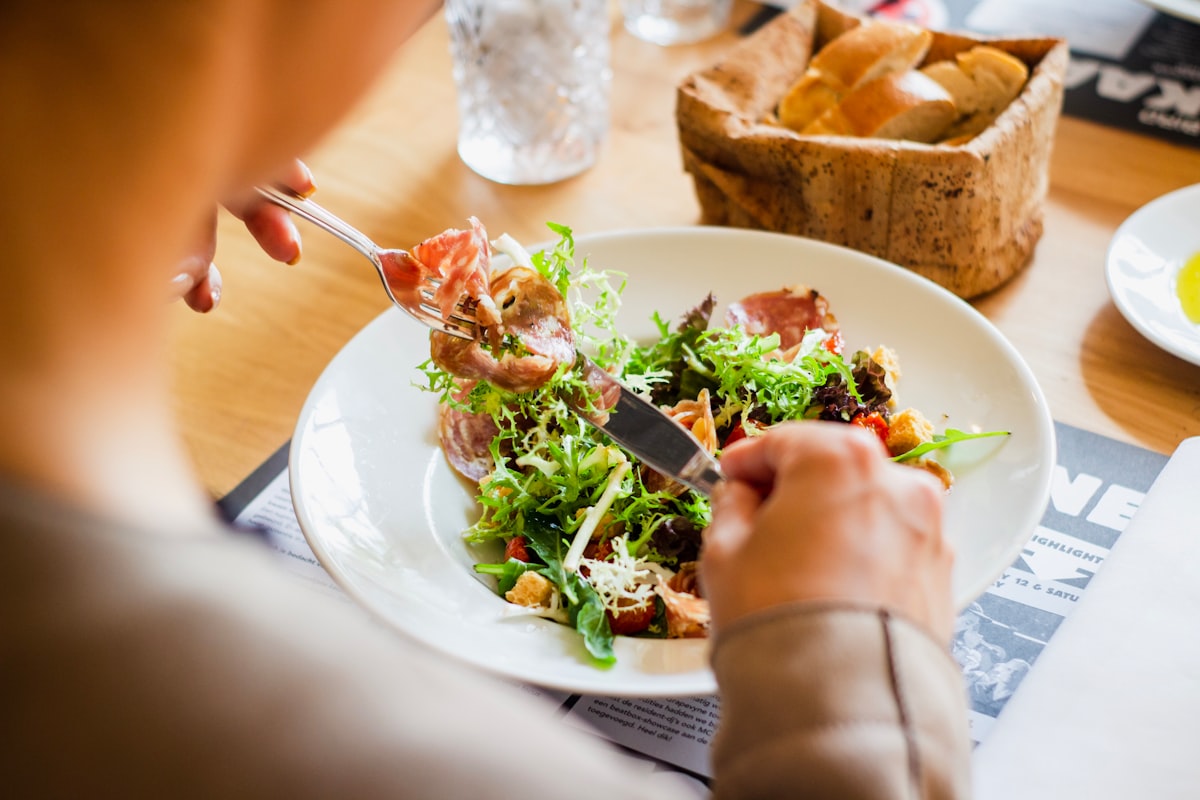
Calcium-Rich Yogurt Parfait
Layers of plain Greek yogurt, granola, mixed berries, and a drizzle of honey. Add ground flaxseeds or chia seeds for omega-3 support. Perfect as breakfast or an afternoon snack that supports bone health.

Plant-Powered Buddha Bowl
Roasted chickpeas, quinoa, steamed broccoli, shredded beets, and leafy greens tossed with tahini dressing. This nutrient-dense bowl delivers plant-based protein, fiber, and crucial minerals for sustained energy throughout your day.

Lean Protein Dinner
Grilled chicken breast seasoned with herbs, steamed carrots and zucchini, and brown rice. This straightforward, digestive-friendly meal provides quality protein for muscle maintenance while being gentle on the digestive system.
Benefits Comparison: Old Habits vs. New Approach
| Aspect | Common Patterns (Age 50+) | Maturewellnesshabits Approach |
|---|---|---|
| Energy Levels | Afternoon crashes, reliance on caffeine, inconsistent energy | Stable energy through nutrient-dense meals, natural vitality |
| Digestion | Bloating, discomfort, irregular patterns | Optimal fiber intake, gentle foods, comfortable digestion |
| Muscle Strength | Gradual loss, reduced physical capability | Distributed protein intake, maintained muscle mass, strength |
| Bone Health | Calcium deficiency, bone density concerns | Strategic calcium and vitamin D, stronger skeletal system |
| Mental Clarity | Fuzzy thinking, difficulty concentrating | Omega-3 support, B vitamins, sharp mental function |
| Overall Wellness | Reactive approach, addressing problems as they arise | Proactive nourishment, long-term vitality, joyful living |
Frequently Asked Questions
Women over 50 typically need approximately 1.0 to 1.2 grams of protein per kilogram of body weight daily. For example, a woman weighing 65 kg (143 lbs) would aim for 65-78 grams of protein spread across three meals. This higher protein intake supports muscle maintenance, bone health, and immune function. The key is consistent distribution—aim for 20-30 grams of protein at each main meal rather than loading it all at dinner.
Absolutely not—it's never too late. Research consistently shows that women who improve their nutrition at any age experience measurable benefits within weeks. Better energy, clearer skin, improved digestion, and stronger bones are common outcomes. Your body responds positively to nourishment at every stage of life. Start with one simple change (like adding an extra vegetable serving daily), build on that success, and gradually create new, sustainable patterns. Progress matters more than perfection.
Our approach is flexible and adaptable. If you're sensitive to dairy, plant-based alternatives like fortified soy, almond, or oat milk work well. If gluten is an issue, whole grains like quinoa, rice, and certified gluten-free oats provide fiber and nutrients. If you have tree nut allergies, seeds (sunflower, pumpkin) and legumes offer healthy fats and protein. The principle remains the same: find nutrient-dense whole foods you tolerate well and enjoy, then build meals around those ingredients. Consider keeping a food journal to identify patterns and triggers.
Eating out doesn't mean abandoning your wellness goals. Review restaurant menus online before arriving—most now list nutritional information. Opt for grilled, steamed, or baked proteins instead of fried options. Request dressings and sauces on the side. Choose vegetable-based sides and whole grains when available. Don't hesitate to ask servers about preparation methods. Remember that one meal doesn't define your week—enjoy restaurant experiences as part of your balanced lifestyle rather than viewing them as threats to your progress. The goal is consistency, not perfection.
Whole foods should be your primary source of nutrients—they provide not just isolated vitamins but also fiber, phytonutrients, and beneficial compounds.
Whole foods should be your primary source of nutrients—they provide not just isolated vitamins but also fiber, phytonutrients, and beneficial compounds. If you have specific deficiencies (verified by blood work), targeted supplementation can help. Always consult your healthcare provider before starting supplements.
Start small and track your progress. Build one habit at a time, celebrate small wins, and be patient with yourself. Consistency matters more than perfection. Consider joining a community or finding an accountability partner to stay motivated.
Real Stories from Our Community
Discover how mature adults are transforming their health and vitality through sustainable wellness habits.
Rita Chen
Age 62
"I thought my energy levels were just gone for good. But after following these habits for 3 months, I feel like myself again. My strength has improved, and I can keep up with my grandchildren!"
James Martinez
Age 58
"The sleep guidance was transformative. I used to toss and turn all night. Now I'm falling asleep naturally and waking up refreshed. My doctor was impressed with my improvements."
Linda Singh
Age 65
"I love how practical and realistic these habits are. No extreme diets or impossible routines. I've lost weight, my joint pain decreased, and I feel more confident than I have in years."